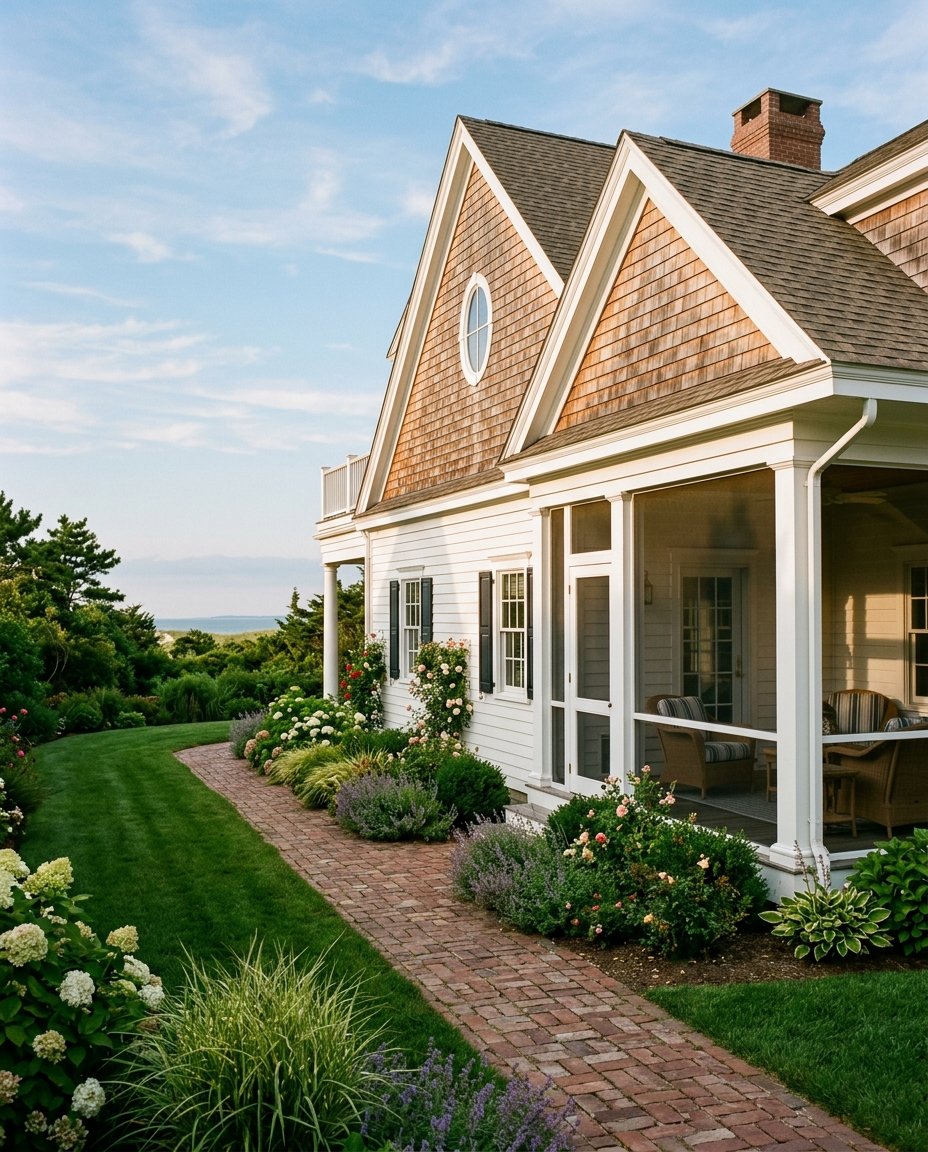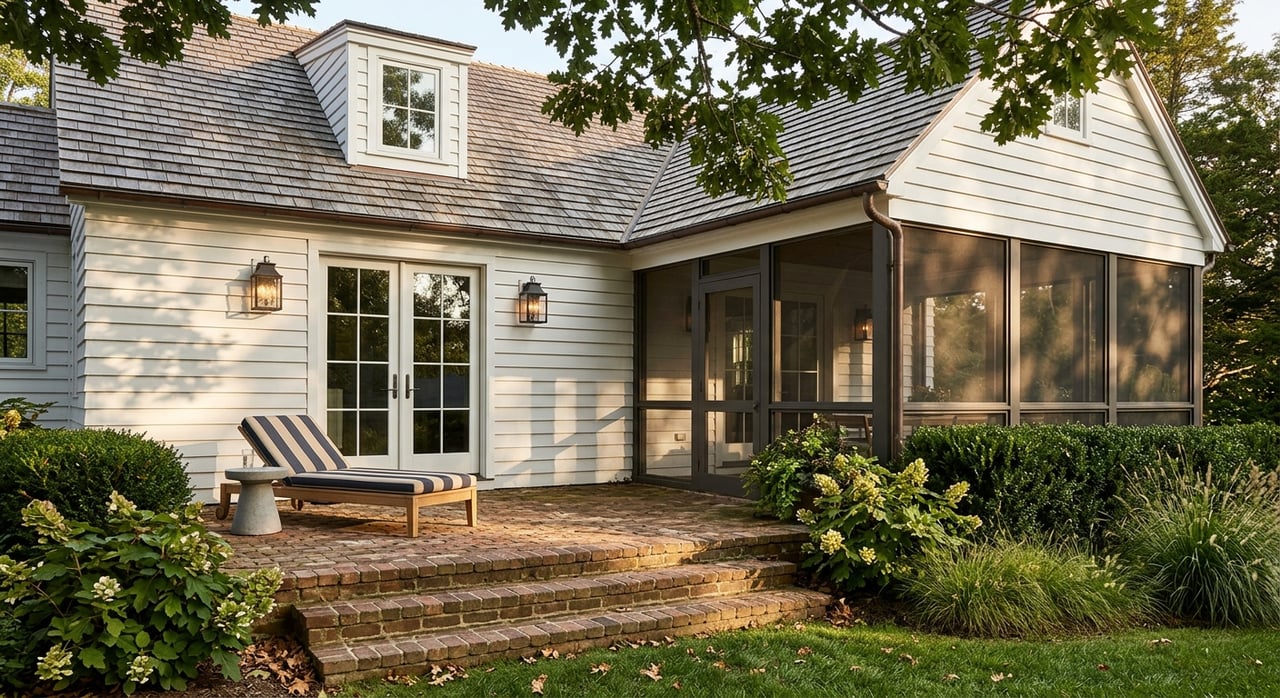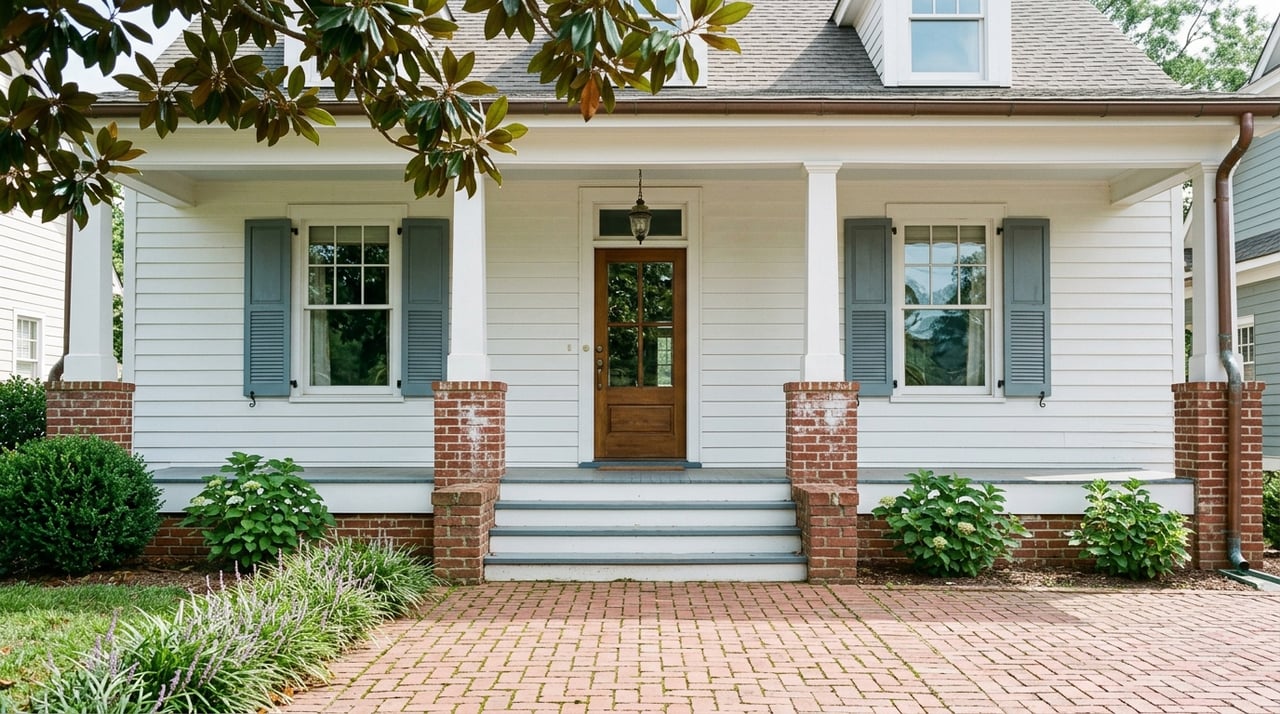
Older homes in Richmond can be full of character, but they can also come with questions that are easy to miss if you move too fast. If you are drawn to original details, established blocks, or the chance to personalize a home, it helps to know what to check before you fall in love with the charm alone. With the right due diligence, you can spot both the opportunity and the risk early and make a smarter decision. Let’s dive in.
Why older Richmond homes need a closer look
In Richmond, an older home is not just about age. It may also come with local rules, infrastructure considerations, and renovation limits that affect what you can do after closing.
The City of Richmond has more than 4,000 properties that are historically significant or located within the City Old & Historic District. If a property is in one of those areas, exterior changes may be reviewed by the Commission of Architectural Review, often called CAR. That means a home’s location matters just as much as its style or year built.
Virginia’s residential disclosure statement adds another important point for buyers. Sellers do not make representations about whether historic district ordinances affect the property, and buyers are advised to review the local ordinance, map, and any required approvals before settlement. In short, do not assume a home is free of historic rules just because no one mentioned them.
Check historic district status first
If you are considering an older Richmond home, one of your first questions should be whether it is in a City Old & Historic District. This can shape your renovation plans, timeline, and budget.
According to the city, CAR reviews visible exterior changes in those districts. That can include additions, windows and doors, siding, roof materials, fences or walls, and even paint color. A project you think of as simple maintenance may still need review and approval.
Some smaller projects can be approved administratively, but the main takeaway is clear. If you want to change the exterior of a historic-area home, it is smart to verify the rules before you buy, not after.
Focus on the biggest condition risks
Older homes can be wonderful to own, but they often need a more careful review of health, safety, and maintenance issues. A standard walkthrough is not enough to answer every question.
Lead paint in pre-1978 homes
If a home was built before 1978, lead-based paint should be part of your due diligence. The EPA says many homes built before 1978 have lead-based paint, and deteriorating paint chips or dust can become a hazard.
Federal rules require sellers to disclose known lead information and give buyers an opportunity to test. If you plan to renovate, the EPA also recommends lead-safe work practices when painted surfaces will be disturbed. For Richmond buyers, this matters in many older homes where original trim, windows, and walls may still be in place.
Asbestos in older materials
Asbestos is another issue that can show up in older homes, especially if you plan to remodel. Materials such as floor tile, ceiling tile, or pipe wrap may contain asbestos.
The EPA says you cannot tell whether a material contains asbestos just by looking at it. If a suspect material may be disturbed during renovation, it should be sampled by a trained and accredited asbestos professional. That is especially important before opening walls or removing finishes.
Moisture and mold concerns
Moisture is the main driver of mold, so signs of water intrusion deserve serious attention. Stains, musty smells, damp basements, or poor drainage around the home can all point to bigger issues.
The EPA says the key to mold control is moisture control. The agency also advises keeping gutters clear and making sure the ground slopes away from the foundation. When you tour an older Richmond home, drainage and basement conditions should be part of what you notice, not just the kitchen and curb appeal.
Review water line and plumbing questions
In older Richmond homes, water infrastructure deserves a closer look. The city says Richmond’s drinking water does not contain lead when it leaves the treatment plant, but lead can enter through service lines, home service piping, lead solder, and some brass fixtures.
Richmond’s Lead Free Water program includes an interactive service-line inventory map and customer survey. The city also notes that lead solder banned in 1986 may still be present in older homes. For buyers, this means plumbing and service-line questions can be part of long-term ownership costs.
The city has already provided more than $1.5 million in financial assistance for private lead service-line replacements. That is helpful, but it still makes sense to understand what the property’s water service setup may mean for your future maintenance and upgrade plans.
Understand permits before you plan updates
Many buyers look at an older home and immediately picture opening a kitchen, replacing windows, or reworking a bathroom. In Richmond, it is important to match that vision with the city’s permit process.
The city says a building permit must be obtained before new construction or alterations. It also notes that a building permit covers only the building and structural portion of a project, while electrical, mechanical, and plumbing work require separate trade permits.
That matters because renovation planning often affects your budget and timeline from day one. If the home is in a City Old & Historic District, exterior changes may also trigger CAR review in addition to permit requirements. Replacement siding, roofing, and windows in those districts are not exempt from a building permit.
Budget for ownership costs beyond the mortgage
The purchase price is only part of the story with an older home. To buy with confidence, you should also think through taxes, insurance, and possible future repair costs.
Richmond’s current real estate tax rate is $1.20 per $100 of assessed value. That gives you a baseline for annual tax planning, especially if you are comparing homes at different price points.
Utility-related upgrades may also matter more in older properties. If a home has aging plumbing or a service line that may need replacement, that can become part of your longer-term budget. This is one reason older-home buyers benefit from looking beyond finishes and focusing on systems too.
Check floodplain status early
Flood exposure is another issue worth verifying before you move forward. The city participates in the National Flood Insurance Program, maintains floodplain maps, and says residential development in a floodplain will be required to carry flood insurance.
Richmond also notes that lender-required flood insurance is separate from standard property insurance. If a home is in a floodplain, your monthly ownership costs may be higher than expected.
The city further says building in a floodplain is discouraged and that alterations to existing development require flood proofing. If you are buying an older home with future improvements in mind, floodplain status can affect both cost and renovation plans.
A smart Richmond buyer checklist
When you are serious about an older home, a focused checklist can help you stay calm and organized. These are some of the most useful questions to ask during your search and contract period.
- Is the property in a City Old & Historic District?
- What visible exterior changes would need CAR approval?
- Was the home built before 1978?
- Should you test for lead paint before closing?
- Could planned remodeling disturb materials that may contain asbestos?
- Are there signs of moisture intrusion, poor drainage, or mold risk?
- Is the property in a floodplain, and would flood insurance be required?
- What does the city’s lead service-line information show?
- What permits would your planned improvements require?
- Would separate trade permits be needed for electrical, plumbing, or mechanical work?
Why guidance matters with older homes
Buying an older home is rarely just about square footage and finishes. You are also weighing condition, future costs, local rules, and what the home can realistically become over time.
That is where practical guidance can make a real difference. Aaron Ward’s background in construction, development, and renovation offers a valuable lens for buyers who want to understand not only what they are seeing today, but also what a home may ask of them after closing.
If you are considering an older home in Richmond and want a clear-eyed, renovation-aware approach, connect with Aaron Ward for thoughtful guidance at every step.
FAQs
What should you check first when buying an older home in Richmond?
- Start by confirming whether the property is in a City Old & Historic District, since that can affect exterior changes, approvals, and renovation plans.
What historic district rules matter for Richmond older homes?
- In Richmond’s City Old & Historic Districts, visible exterior changes such as windows, doors, siding, roofing, fences, walls, additions, and paint color may require review by the Commission of Architectural Review.
What lead paint concerns apply to older Richmond homes?
- If the home was built before 1978, many painted surfaces may contain lead-based paint, and buyers should review required disclosures and consider testing if renovation is planned.
What asbestos risks should you consider in an older Richmond house?
- Asbestos may be present in some older materials, and if you plan to disturb suspect materials during remodeling, sampling by a trained and accredited asbestos professional is recommended.
What water issues should you review before buying an older Richmond home?
- Check for signs of moisture intrusion, drainage problems, mold risk, and possible lead exposure from service lines, older piping, lead solder, or certain fixtures.
What permits are needed for renovations on older Richmond homes?
- Richmond requires a building permit before new construction or alterations, and electrical, mechanical, and plumbing work require separate trade permits.
What flood insurance questions matter for older Richmond properties?
- If a property is in a floodplain, flood insurance may be required and is separate from standard property insurance, so it is important to confirm that status early.