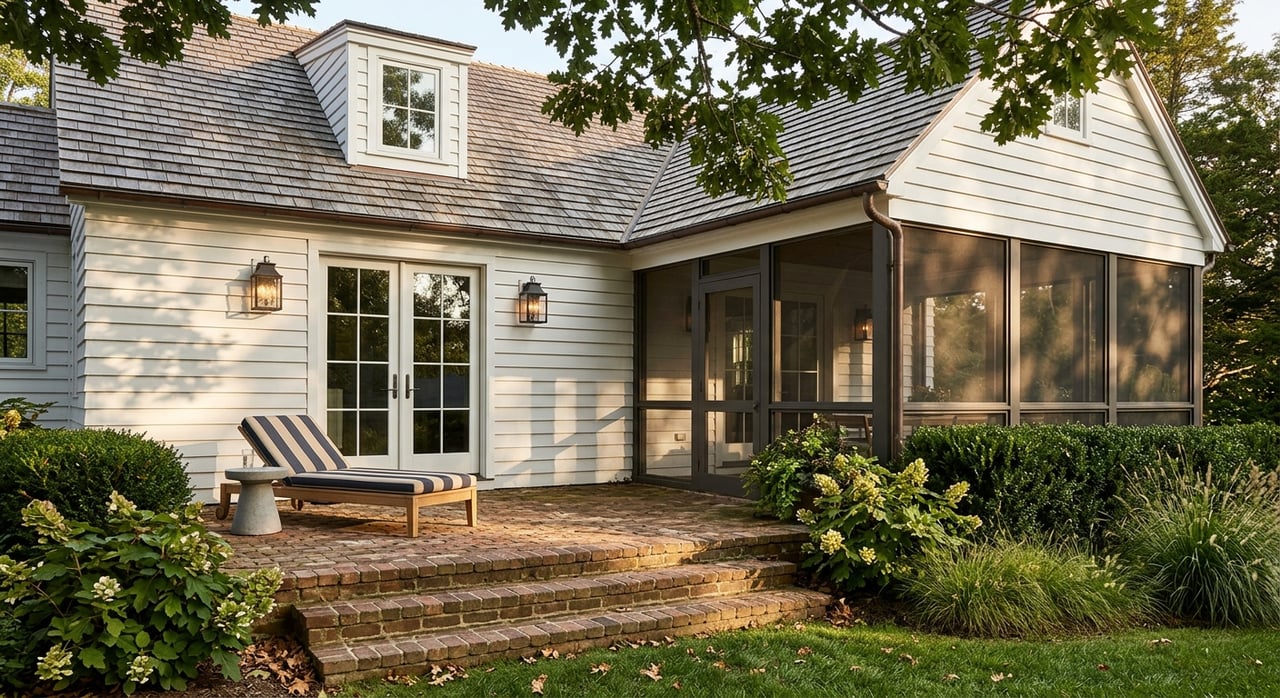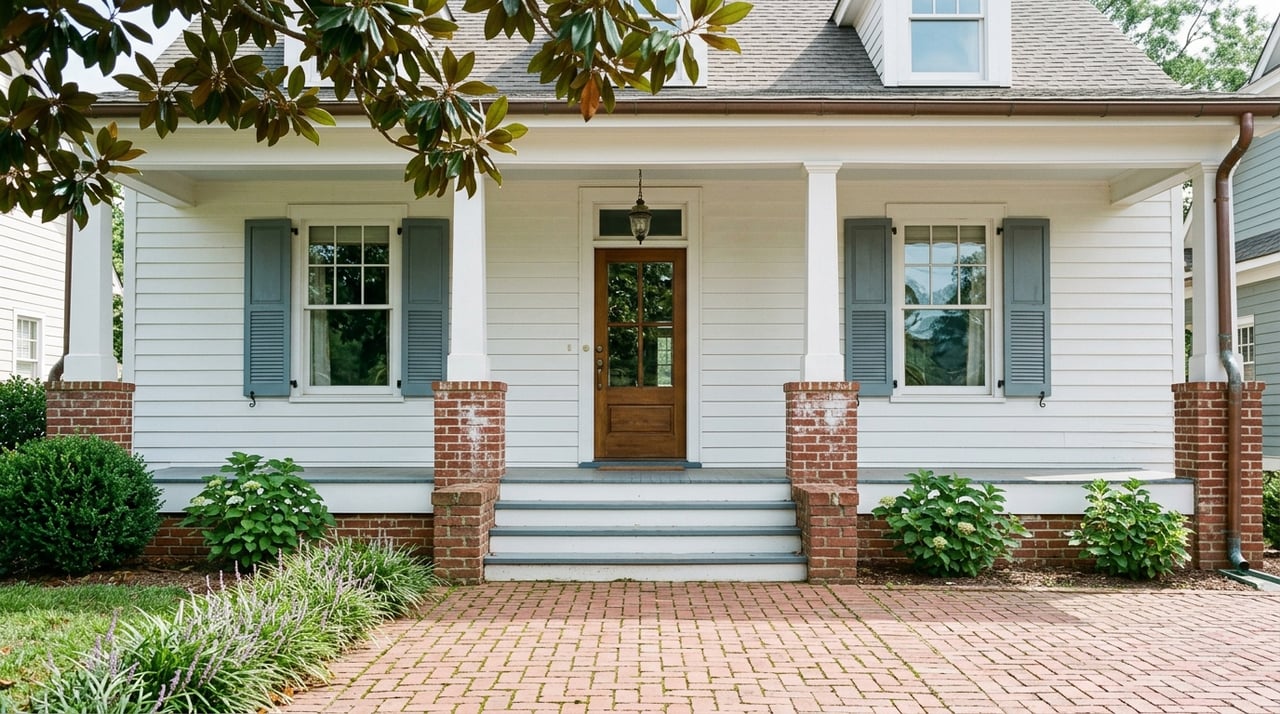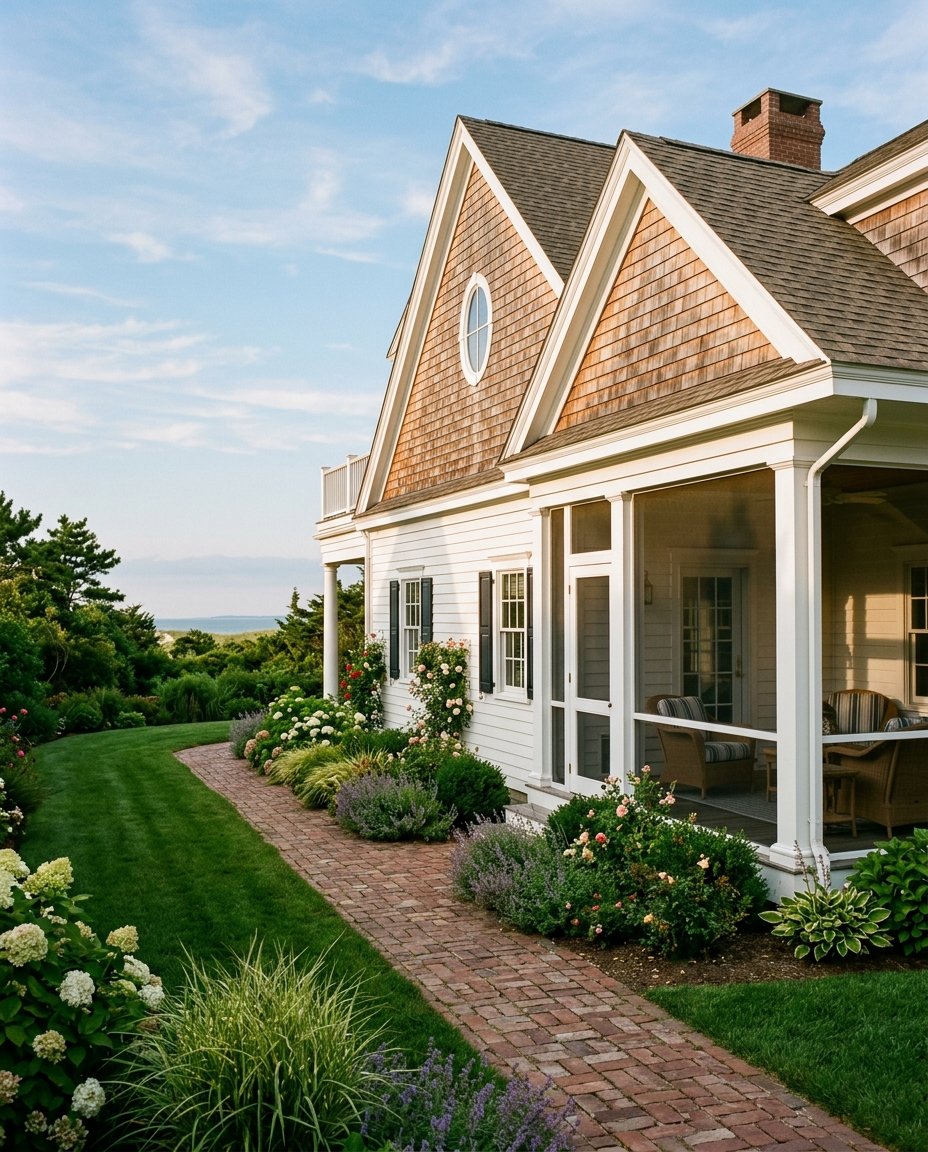
Thinking about a second home in Deltaville? It is easy to focus on the views, the dock, and the idea of weekends on the water, but the smartest buyers know that a coastal purchase comes with extra layers of planning. If you want a place that fits your lifestyle and your budget, you need to look beyond the listing photos and understand how Deltaville ownership really works. Let’s dive in.
Why Deltaville Appeals to Second-Home Buyers
Deltaville sits at the eastern tip of Middlesex County, between the Rappahannock River, the Piankatank River, and the Chesapeake Bay. It is a small waterfront community with a year-round population of about 1,100, and its identity is closely tied to boating and life on the water. For many buyers, that mix of coastal access and small-community feel is exactly the draw.
The area’s rhythm is also shaped by the seasons. Local marina, boatyard, sailing school, and charter activity points to a market that becomes especially active during the warmer months. If you are buying a second home here, it helps to think not just about where you want to be in July, but how the property will function for you year-round.
Start With Your Ownership Goals
Before you narrow down properties, get clear on how you plan to use the home. A second home that is mostly for personal weekends may need something very different from a property you hope to use for longer seasonal stays. Your ideal setup will shape everything from maintenance needs to utility costs.
It also matters whether you want a simple lock-and-leave house or a property that may need ongoing hands-on attention. In Deltaville, that difference can be significant, especially if you are comparing inland homes, waterfront parcels, and lots that may require future building decisions.
Choose the Right Property Type
Detached homes and cottages
Detached houses and cottages can be a strong fit if you want a traditional second-home setup. Middlesex County zoning allows for a range of residential housing types, including single-family and two-family dwellings in some districts. For many buyers, this option offers the most familiar ownership experience.
That said, a detached home can vary widely in upkeep. Older homes, waterfront exposure, and private utility systems can all change what ownership feels like from month to month. This is where looking closely at condition becomes just as important as location.
Cluster-style options
If you prefer a more managed ownership style, cluster development may be worth a look when available. County rules require features like central water and sewer, paved internal roads, and shared maintenance provisions. In practical terms, that can mean a more structured and lower-maintenance setup than a stand-alone coastal lot.
For part-time owners, that kind of structure can be appealing. It may reduce the number of property issues you need to coordinate yourself when you are away.
Vacant lots and new-build plans
A lot or teardown can sound like the perfect way to create exactly what you want. In Deltaville, though, that path usually requires the most careful budget review. The Middlesex Water Authority posts a base connection fee of $12,000 for a three-quarter-inch meter, plus monthly charges for connected premises or vacant lots with a system tap.
If the property is not served by public water or sewer, Virginia Department of Health permitting also comes into play. That means a buildable parcel is not just about size or setting. You will want a clear picture of utility access, permitting, and site-specific feasibility before moving forward.
Waterfront Due Diligence Matters More
Waterfront homes are often the reason buyers start looking in Deltaville, but they also deserve the most careful review. Middlesex County reviews development plans for zoning, subdivision, erosion and sediment control, and local Chesapeake Bay Preservation Act compliance. The county Wetlands Board also reviews permits tied to tidal wetlands, beaches, dunes, and shoreline work.
If a property has a dock, pier, bulkhead, revetment, or living shoreline, ask about permit history and what future work may be allowed. If you hope to add or change shoreline improvements later, treat that as part of your buying decision, not a question to leave for after closing.
Virginia shoreline-resilience resources favor living shorelines and erosion planning. For buyers, that means the edge of the property is not just a visual feature. It is an ownership and maintenance issue that can affect long-term use and cost.
Flood Risk Should Be a Standard Step
In Deltaville, flood review is not optional due diligence. NOAA says the Atlantic hurricane season runs from June 1 through November 30, and coastal high-tide flooding is becoming more common as sea levels rise. That makes flood exposure a routine part of buying, even if a home looks ideal on first visit.
You should review both FEMA flood-hazard information and Middlesex County flood maps for the exact parcel. A home’s flood-zone status can affect insurance, financing, and your comfort level with the property over time. The key is to verify early, not after you are emotionally committed.
Understand the True Carrying Costs
A second home budget should include more than the purchase price and mortgage. Middlesex County’s 2026-27 real estate tax rate is $0.61 per $100 of assessed value, with taxes collected twice each year on June 5 and December 5. If you bring recreational equipment, the county also taxes boats, boat motors, RVs, jet skis, campers, and trailers.
Water service can also be a standing expense, even when you are not there often. The Middlesex Water Authority rate schedule shows a monthly charge of $57 for connected premises up to 4,000 gallons, with added charges above that amount. Vacant lots with a system tap are billed $25 per month.
That matters because part-time ownership often comes with costs that continue whether you visit or not. A realistic budget should account for taxes, water service, insurance, and routine upkeep from the start.
Check Utilities Before You Fall in Love
In a rural coastal market, utility details can have a big impact on daily use. Confirm whether the home is on public water and sewer or relies on a private well and septic system. For many buyers, that difference shapes maintenance planning more than expected.
Virginia Department of Health oversees private well and septic resources, and Middlesex County requires certain on-site sewage systems to be pumped at least once every five years. If you are comparing properties, think about whether you want lower-touch utility infrastructure or are comfortable managing private systems over time.
Broadband should also be verified at the address level. Middlesex County reports ongoing broadband expansion work in unserved areas, so internet access should never be assumed. If you plan to work remotely, use smart-home monitoring, or stream while you are in town, parcel-level confirmation is important.
If You Might Rent the Home
Some buyers hope to offset costs by renting a second home occasionally. In Deltaville, rental suitability is a property-specific issue, not a general assumption. Middlesex County’s short-term rental rules require a zoning permit, Virginia Department of Health bedroom documentation, proof of septic pump-outs when on-site sewage is used, adequate parking for cars, boats, jet skis, and recreational vehicles, and an evacuation plan.
That means the right home for personal use is not always the right home for occasional rental use. If this is part of your plan, it is worth evaluating early so you can focus on properties that better match your goals.
Questions to Ask Before You Buy
A strong second-home purchase usually comes down to asking the right questions early. In Deltaville, these are some of the most useful ones to raise during your search:
- Is the property in a FEMA flood zone, and what do the county flood maps show?
- Is it served by public water and sewer, or will it use a private well and septic system?
- If it is waterfront, what permits exist for docks, bulkheads, living shorelines, or other shoreline work?
- If you may rent it, what zoning, parking, and septic documentation requirements apply?
- Is broadband available at the address today?
- Are there nearby marinas, haul-out facilities, or marine repair providers that fit your needs?
These questions may not be as exciting as a sunset view, but they often shape whether a second home feels easy to own or hard to manage.
Why Local Guidance Helps
A Deltaville second home can be a wonderful lifestyle purchase, but it is also a market where details matter. Flood exposure, shoreline rules, water access, utility setup, and maintenance demands can all vary from one property to the next. Looking at homes through that lens helps you buy with more confidence.
That is especially important in a place where older homes, waterfront lots, and unique property features are common. Having guidance from someone who understands both the local area and the condition side of real estate can help you spot opportunity while staying realistic about cost and complexity.
If you are thinking about buying a second home in Deltaville, Aaron Ward can help you evaluate the lifestyle fit, the property details, and the questions that matter before you make your move.
FAQs
What should you review before buying a second home in Deltaville?
- You should review flood-zone status, utility setup, carrying costs, shoreline permits if the property is waterfront, broadband availability, and any rental-related requirements that may apply.
Are waterfront homes in Deltaville harder to evaluate?
- Yes. Waterfront properties often require closer review of flood exposure, erosion concerns, permit history, and whether future shoreline or dock work may be allowed.
Can you use a Deltaville second home as a short-term rental?
- Possibly, but it depends on the property. Middlesex County requires a zoning permit, bedroom documentation, certain septic records when applicable, adequate parking, and an evacuation plan.
How do utility costs affect a Deltaville second home budget?
- Utility setup can affect both upfront and ongoing costs. Public water connection fees, monthly water minimums, and private well or septic maintenance should all be part of your budget planning.
Why is broadband verification important for a Deltaville property?
- Broadband availability can vary by address, and the county is still expanding service in some areas. Verifying service early is important if you plan to work remotely or monitor the home while away.
When are Middlesex County real estate taxes due on a second home?
- Middlesex County collects real estate taxes twice a year, on June 5 and December 5.