If you are torn between a charming older home and a more modern build in Williamsburg, you are asking the right question. In this market, the choice is not only about style or age. It is also about location, upkeep, renovation flexibility, and the local rules that may shape what you can do with the property. Let’s walk through what matters most so you can compare historic and newer homes with more confidence.
Why Williamsburg Is Different
Williamsburg has a housing landscape that is unusually tied to preservation. The city includes Colonial Williamsburg, a 1.5-square-mile outdoor museum of 18th-century structures, and several areas fall within local preservation districts.
That matters because two homes that look similar on paper can come with very different ownership experiences. In Williamsburg, a home’s location can affect exterior changes, review requirements, and long-term planning just as much as the home’s age.
Start With Location First
Before you decide whether an older or newer home is the better fit, look at where the property sits. A home in the AP-1 Architectural Preservation District or CP district may have added review steps for exterior work.
The city says the Architectural Review Board reviews exterior changes in those districts. Interior alterations are not reviewed, but exterior work, demolition, or moving a structure can require approval. That makes location one of the biggest factors in your decision.
Areas That May Affect Ownership
Here are a few location-based items to verify before you make an offer:
- Whether the property is in AP-1 or another preservation district
- Whether it is in a flood-map area
- Whether it is in a Chesapeake Bay Preservation Area
- Whether your planned updates would require permits or board review
In Williamsburg, these questions can shape your budget, timeline, and renovation plans from day one.
What Historic Homes Often Offer
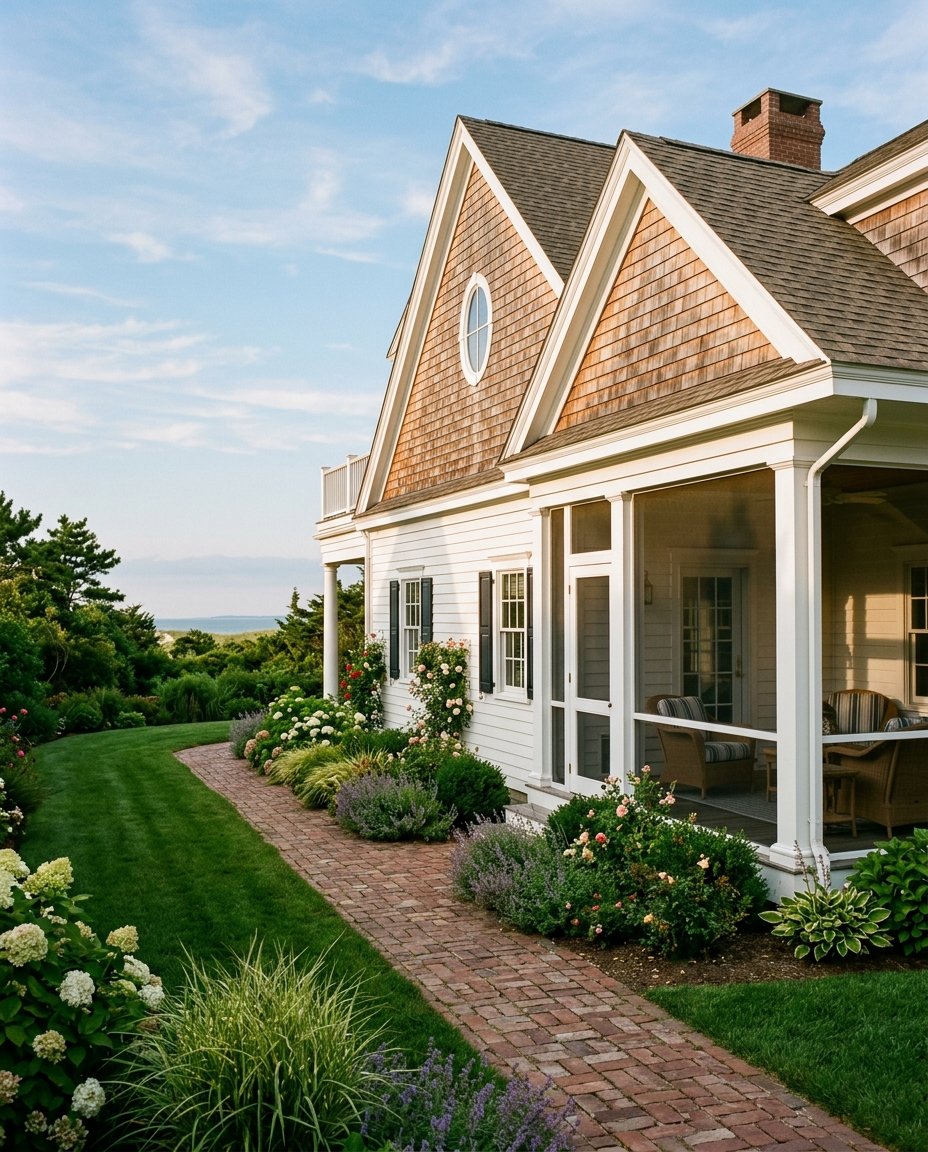
Many older Williamsburg homes outside the Historic Area reflect traditional architectural styles. The city’s design inventory includes Colonial Revival homes as well as Dutch Colonial Revival, Virginia gambrel Colonial Revival, bungalows, and vernacular dwellings.
These homes often feature classic proportions and materials like weatherboard or brick. You may also see shutters, classical trim, and porch details that give the home a strong sense of character.
Character And Layout
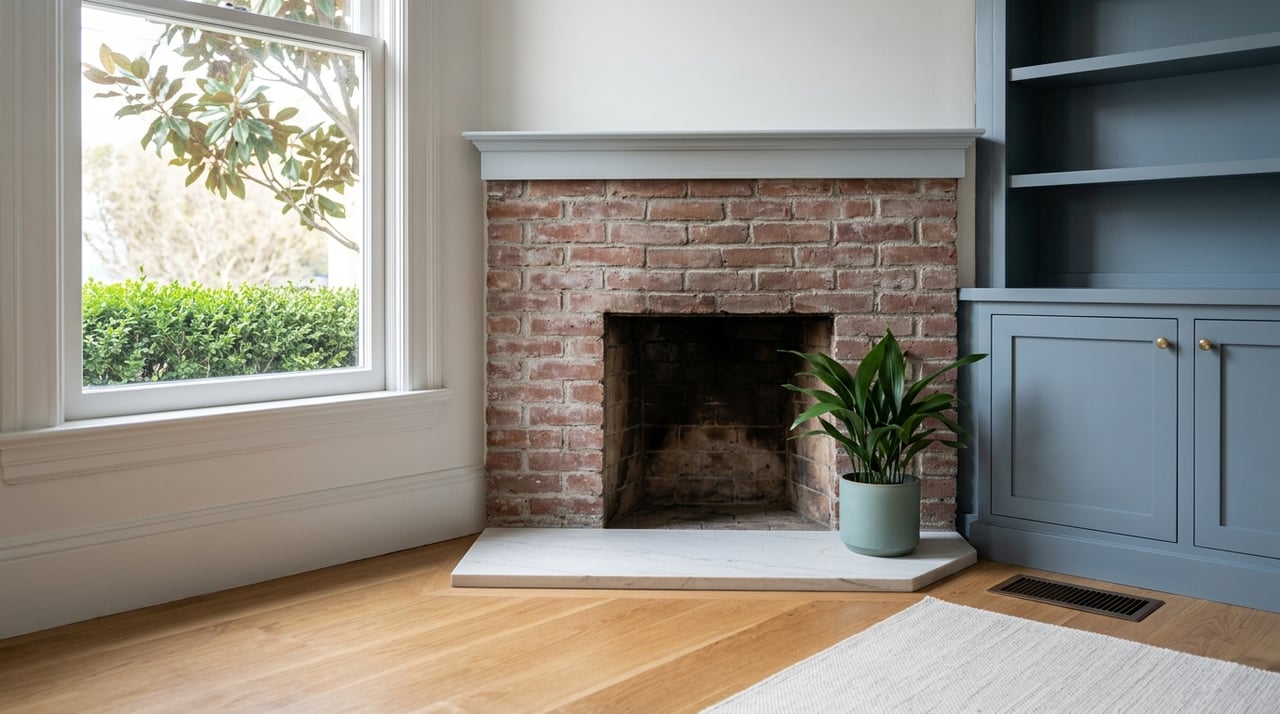
If you love a home with personality, older properties may speak to you right away. Traditional homes often have more formal room flow and less standardized planning than many newer homes.
That can be a real advantage if you value architectural detail and distinct spaces. It can also mean the layout feels less open than what many buyers expect in newer construction.
Interior Flexibility And Exterior Limits
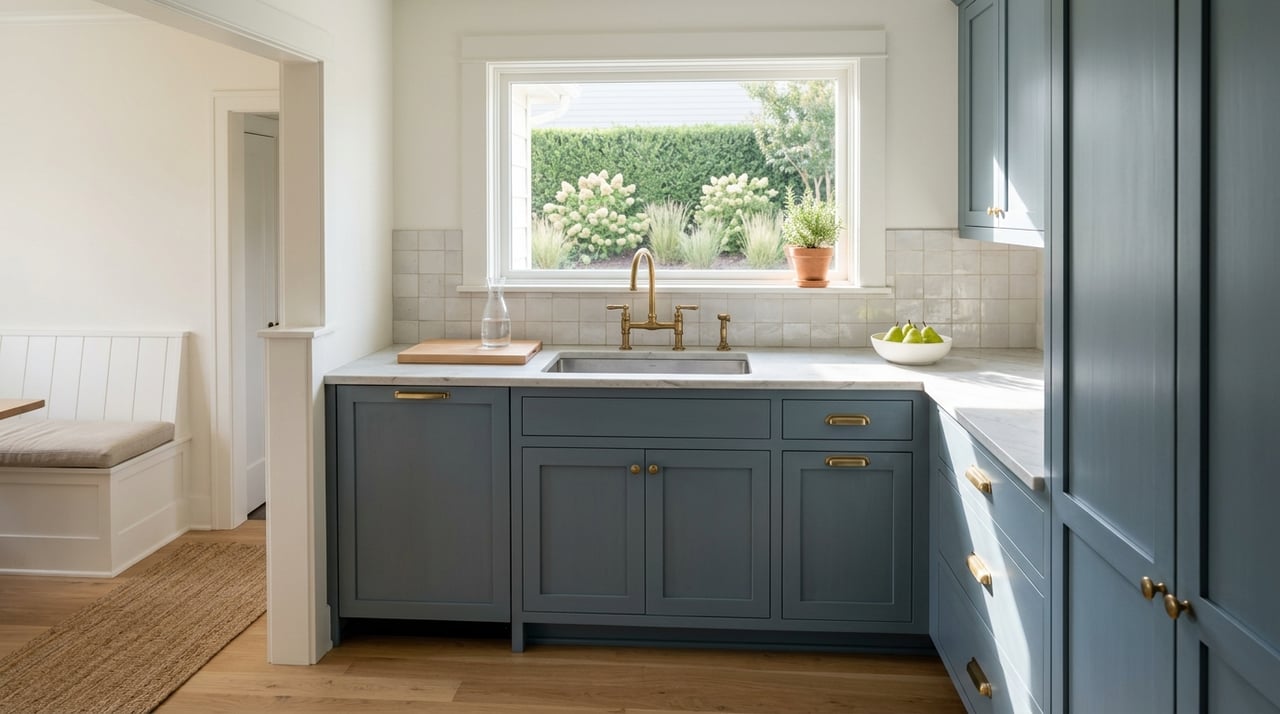
One of the most important points for buyers is that interior alterations are not subject to Architectural Review Board review in the preservation districts. If you want to update kitchens, baths, or room finishes, that can create useful flexibility inside the home.
The exterior is a different story. In AP districts, exterior changes and certain site or structural actions require approval, so the process is more structured if you want to change the outside appearance.
Maintenance Expectations For Older Homes
Older homes can also bring more upkeep questions. If the home was built before 1978, federal lead-paint disclosure rules generally apply, and renovation work that disturbs painted surfaces may call for lead-safe practices.
Williamsburg also notes that asbestos certification is required for renovations, re-roofing, re-siding, or alterations. On top of that, the city’s local design criteria assume a 95 mph wind speed, which is a reminder to pay close attention to roofs, siding, and exterior materials.
Historic Tax Credit Potential
Some buyers are drawn to older homes because of possible rehabilitation incentives. In Virginia, the Historic Rehabilitation Credit can equal 25% of eligible expenses for a certified historic structure.
That said, not every older home qualifies, and not every project qualifies either. The structure must be certified historic, and the work must preserve historic character under program standards. Most enlargements and additions do not qualify.
What Newer Homes Often Offer
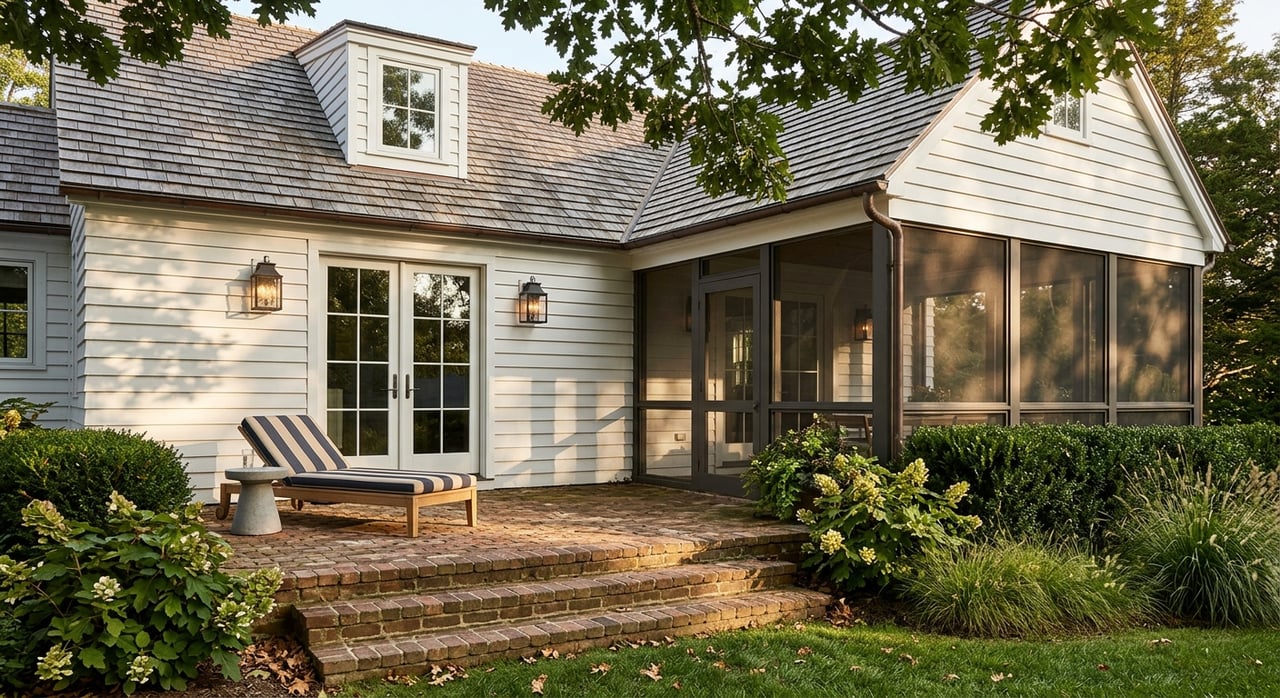
Newer homes in Williamsburg can appeal to buyers who want a simpler starting point. They often begin with a stronger energy-performance baseline because the city uses the 2021 Virginia Energy Conservation Code for building guidance.
The city also says energy-code compliance calculations are part of building permit submittals. In practical terms, newer construction usually starts with more current efficiency standards than older housing, even though performance can still vary by builder and home.
Energy And Comfort Benefits
For many buyers, comfort is a big reason to lean newer. Better air sealing and insulation can improve indoor comfort and may help lower annual energy bills.
If you want a home that may require fewer immediate efficiency upgrades, newer construction can be appealing. It may also reduce the number of condition questions you need to sort through early in ownership.
Fewer Legacy-Material Concerns
One clear difference is lead-paint exposure rules. Housing built after 1977 is generally not covered by the federal lead-paint disclosure framework.
That does not mean a newer home is maintenance-free. It does mean one major legacy-material concern is less likely to be part of the conversation when you are comparing options.
Newer Does Not Mean No Restrictions
It is easy to assume a newer home comes with fewer complications, but that is not always true in Williamsburg. If a newer property sits inside AP or CP districts, exterior work can still require Architectural Review Board approval.
Site conditions matter too. If a property is in a Chesapeake Bay Preservation Area, land disturbance in a Resource Protection Area may be limited and may require site-specific review. The city also maintains official flood maps, so it is worth checking site risk carefully.
How To Compare Old And New
The best choice usually comes down to your priorities. In Williamsburg, the real tradeoff is often less about old versus new in the abstract and more about how much character, regulation, renovation upside, and energy performance you want.
Here is a simple way to frame the comparison.
| Priority | Historic Home May Fit | Newer Home May Fit |
|---|---|---|
| Architectural character | Stronger traditional detail and style | More current design and finishes |
| Layout preference | More formal or varied room flow | More standardized, modern planning |
| Interior renovation | Often flexible inside | May need fewer immediate changes |
| Exterior changes | More likely to involve review in preservation areas | May still involve review if in local districts |
| Energy baseline | May need updates over time | Usually stronger starting point under current code |
| Legacy-material concerns | More likely in older homes | Less likely for post-1977 homes |
Smart Due Diligence Before You Buy
No matter which direction you are leaning, careful due diligence is especially important in Williamsburg. A beautiful house can be a great fit, but only if you understand the rules, condition, and site context before you commit.
A few early checks can save you time and stress later.
Questions To Ask Before Making An Offer
- Is the property in AP-1, CP, a flood-map area, or a Chesapeake Bay Preservation Area?
- Will your planned work require permits, planning review, or Architectural Review Board approval?
- If you are counting on historic tax incentives, is the structure actually certified historic?
- If the home is older, what do you know about roofing, siding, paint, and renovation history?
These are practical questions, not just technical ones. They help you understand how the home may function for your budget, timeline, and long-term goals.
Which Home Type Is Right For You?
If you love timeless architecture, are comfortable with a more layered ownership experience, and want the possibility of renovation upside, a historic or older home may be the right match. If you want a more efficient starting point, fewer legacy-material concerns, and a home that may feel easier to maintain from the start, newer construction may fit better.
In Williamsburg, there is rarely a one-size-fits-all answer. The right move is the one that matches your lifestyle, renovation appetite, and comfort with local review requirements.
When you want a clear-eyed opinion on condition, layout, and what a home could become, working with someone who understands both the market and the house itself can make a real difference. If you are weighing historic and newer homes in Williamsburg, Aaron Ward can help you look past the listing photos and focus on what fits your next chapter.
FAQs
What makes buying a historic home in Williamsburg different?
- In Williamsburg, the difference is often tied to location as much as age. Homes in preservation districts may have exterior review requirements, while interior changes are generally not reviewed by the Architectural Review Board.
Do newer homes in Williamsburg still have local restrictions?
- Yes. A newer home may still be subject to Architectural Review Board review if it is in AP or CP districts, and site constraints may also apply in flood-map areas or Chesapeake Bay Preservation Areas.
Are older homes in Williamsburg harder to renovate?
- They can be more complex, especially if exterior changes need approval or if the home has lead-paint or asbestos-related considerations. Interior updates may be more flexible, but the project scope should be reviewed carefully before you buy.
Can any older Williamsburg home qualify for a historic tax credit?
- No. Virginia’s Historic Rehabilitation Credit applies to certified historic structures, and the work must meet program standards that preserve historic character.
Should I choose an older or newer home in Williamsburg?
- The better fit depends on what matters most to you, including character, layout, energy performance, maintenance expectations, and comfort with local review requirements.